


12/24VDC - 12.5/6.25A - IP65 Control Box - 1 Channel - Wireless Remote (Coming Soon)
12/24VDC - 12.5/6.25A - IP65 Control Box - 1 Channel - Wireless Remote (Coming Soon)
Modèle: PA-CB20-1-12V24V
Impossible de charger les disponibilités de retrait


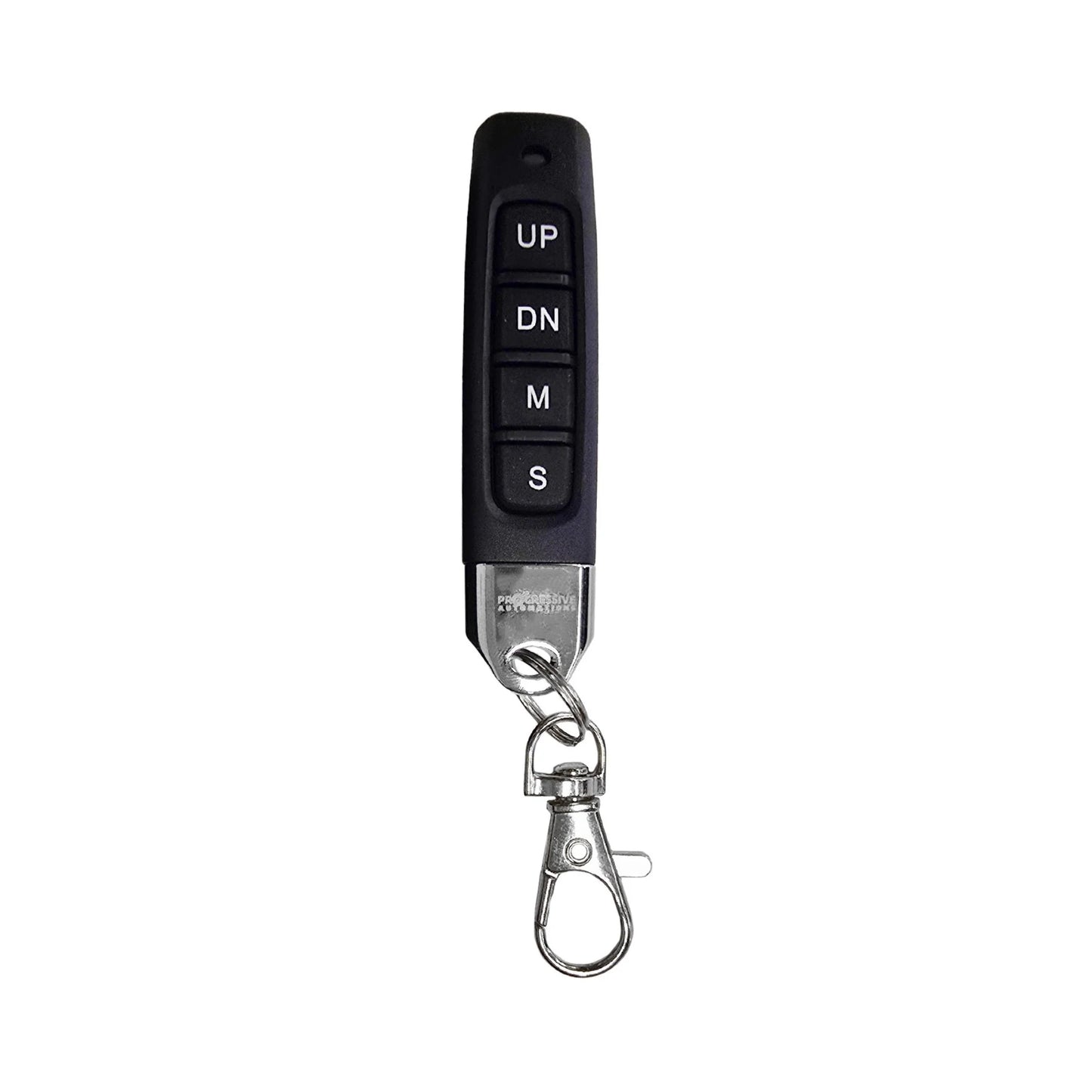
Proudly made in Canada, the PA-CB20-1 12V-24V control box for actuators, paired with the RT-40 linear actuator remote controller, provides wireless control for a single actuator system. Compatible with most of our standard Mini and Industrial Actuators, it is a practical choice for applications that need simple, reliable actuator movement and convenient remote operation. The included RF remote provides up, down, stop, and programming functions from up to 100 ft (30.48 m) away in open air. The system can also pair with up to four remotes, making it easier to add control points or support multiple users.
This wireless control box for linear actuator systems includes features that help tailor operation to the application, including automatic power-saving mode with instant wake-up, wireless remote mode selection, smooth motion mode, momentary and non-momentary control, and an LED indicator.
Built for reliable integration, the PA-CB20-1 features an IP65 water-resistant housing — an upgrade over the PA-31 model it replaces — and includes protection against out-of-range input voltage, overload, and reverse input voltage. The Molex Mini-Fit Jr. 1x2-pin plug enables plug-and-play installation with the compatible PS-13-12-67-1X2 power supply and wire harnesses.
For controls, wiring, and troubleshooting, refer to the PA-CB20 Data Sheet.
Proudly made in Canada, the PA-CB20-1 12V-24V control box for actuators, paired with the RT-40 linear actuator remote controller, provides wireless control for a single actuator system. Compatible with most of our standard Mini and Industrial Actuators, it is a practical choice for applications that need simple, reliable actuator movement and convenient remote operation. The included RF remote provides up, down, stop, and programming functions from up to 100 ft (30.48 m) away in open air. The system can also pair with up to four remotes, making it easier to add control points or support multiple users.
This wireless control box for linear actuator systems includes features that help tailor operation to the application, including automatic power-saving mode with instant wake-up, wireless remote mode selection, smooth motion mode, momentary and non-momentary control, and an LED indicator.
Built for reliable integration, the PA-CB20-1 features an IP65 water-resistant housing — an upgrade over the PA-31 model it replaces — and includes protection against out-of-range input voltage, overload, and reverse input voltage. The Molex Mini-Fit Jr. 1x2-pin plug enables plug-and-play installation with the compatible PS-13-12-67-1X2 power supply and wire harnesses.
For controls, wiring, and troubleshooting, refer to the PA-CB20 Data Sheet.
| Function | Control of a single linear actuator (no position feedback) |
| Number of Channels | 1 |
| Input Voltage | 12 VDC or 24 VDC |
| Output Voltage | 12 VDC or 24 VDC |
| Current Capacity | 12.5 A at 12 VDC 6.25 A at 24 VDC |
| Total Power Output | 150 W |
| Duty Cycle | 25%, up to max 5 minutes continuous operation |
| Power Management | Automatic power saving mode |
| Wake Response Time | Instant wake up with single press, 100 ms response time |
| Operating Temperature | 14°F to 122°F (-10°C to 50°C) |
| IP Rating | IP65 enclosure only; connectors not IP rated |
| Protection and Safety Features | Output Short Circuit Overcurrent / Overload Out of Range Input Voltage Reverse Input Voltage |
| System Indicators | LED indicator |
| Housing Material | ABS plastic |
| Housing Color | Black with blue accents |
| Dimensions | 2.72" x 1.81" x 0.75" |
| Unit Weight | 0.14 lbs |
| Included Components | Control box, RT-40 wireless remote with battery, 2x double sided 3M tape |
Depending on your application, there are different specification requirements you should consider when determining the linear actuator you need. These requirements include force, stroke, speed and mounting dimensions. For detailed actuator information, you can refer to either the datasheet or the specification table located on the selected actuator's product page. You can also contact us to speak with one of our expert engineers.
Duty cycle is the fraction of the working period in which a linear actuator can remain active. You can calculate the duty cycle of a linear actuator by using the following equation: Duty cycle (%) = (Time the linear actuator is active) / (Time for one working period)
For example: With a 25% duty cycle, an actuator can run for 5 minutes continuously before needing to rest for 15 minutes before operating.
Stroke is the travel distance of the extending rod. To find the stroke length you require, measure your application from the fully retracted position to the fully extended position. The difference will equal the stroke length you require.
We always recommend purchasing an actuator with a higher force rating than what the application requires. If unsure of your force requirements, this article may help you calculate this: How to Calculate Force to Find the Right Linear Actuator
Yes, this is possible. However, it does depend on the units you are currently using. To synchronize actuators, they require a form of feedback such as a potentiometer or hall effect sensors. For more information, see below some of our key content regarding linear actuator synchronization.
The control box you choose should be able to provide sufficient voltage and current rating to your actuator. If you are unsure of the specifications, please contact us.
Alternatively, you can also find compatible control boxes on your selected linear actuator's product page.
Backdriving is when an actuator starts sliding down under load, when it is either overloaded or when the actuator has been damaged. Watch the video.
What Does Dynamic and Static Load Ratings Mean?Dynamic load rating is the amount of weight an actuator can pull or push safely when being powered. Static load rating is the amount of weight the actuator can hold or withstand without back driving when it is not being powered. For example, let's just say you have an actuator installed on a window and the static load rating of the actuator is 100lbs, it could experience backdriving when there is a high wind event, which means there will be more pressure exerted on the actuator which would exceed the 100lbs load rating of the actuator.
What Is Lateral Loading?Lateral loading is when the actuator experiences forces from the lateral plane. Actuators are not meant to handle lateral forces at all so if it experiences any lateral forces, it will likely damage the actuator or bend the rod. So it's advised never to use lateral forces and always make sure the actuator is fully in line or in sync with your application, so it does not take any load other than the axial load. Watch the video.